
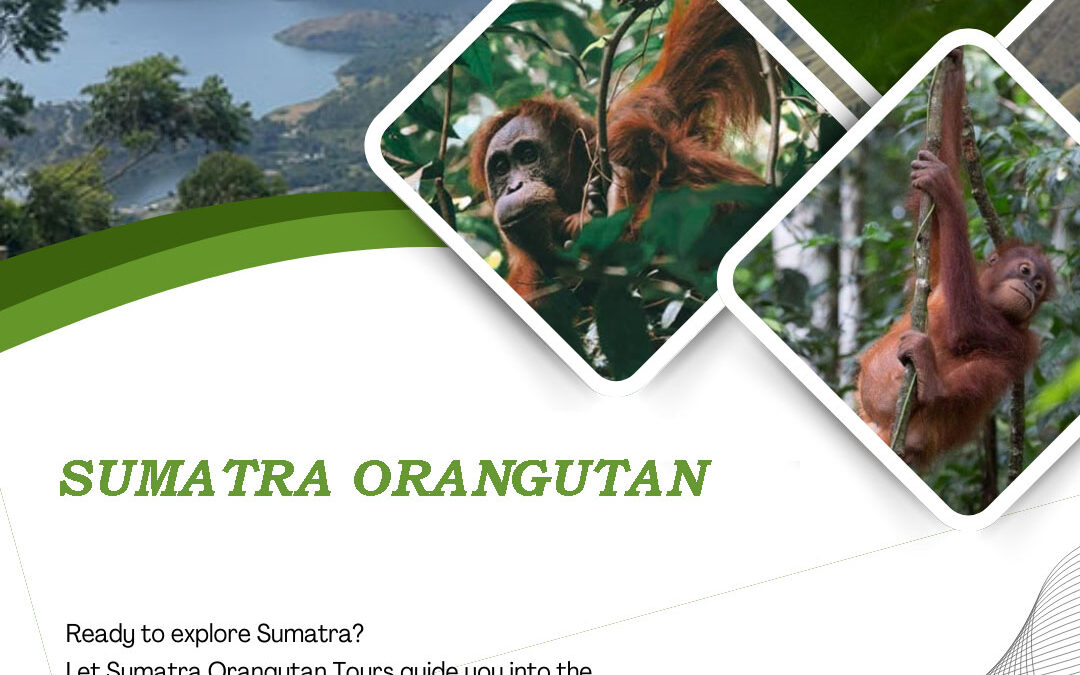
Few wildlife encounters are as unforgettable as seeing a Sumatra orangutan swinging freely through the rainforest canopy. Found only on the Indonesian island of Sumatra, these intelligent great apes are among the world’s rarest and most endangered primates.
For nature lovers, photographers, and adventure travelers, a journey into the tropical rainforest offers the unique opportunity to observe these incredible animals in their natural habitat while supporting sustainable ecotourism.
What is a Sumatra Orangutan?
The Sumatra orangutan (Pongo abelii) is one of the three recognized orangutan species. It lives exclusively in the rainforests of northern Sumatra, primarily within the Leuser Ecosystem.
Compared to Bornean orangutans, Sumatran orangutans are:
- Slimmer body
- Longer arms
- Lighter orange fur
- More social behavior
- Extremely intelligent
- Mostly arboreal (tree-dwelling)
They spend nearly their entire lives high in the forest canopy, building a new nest almost every evening.
Quick Facts
| Feature | Information |
|---|---|
| Scientific Name | Pongo abelii |
| Common Name | Sumatra Orangutan |
| Conservation Status | Critically Endangered |
| Habitat | Tropical Rainforest |
| Location | Northern Sumatra, Indonesia |
| Diet | Fruits, leaves, bark, insects, flowers |
| Lifespan | 35–45 years in the wild |
| Weight | 30–90 kg |
Where Do Sumatra Orangutan Live?
The best place to see wild orangutan is within the Leuser Ecosystem, one of the most important rainforests on Earth.
Popular destinations include:
- Bukit Lawang
- Ketambe
- Tangkahan
- Gunung Leuser National Park
Bukit Lawang is the most famous destination because it offers accessible jungle trekking with a high chance of encountering orangutan in the wild.
Why Are Sumatra Orangutan So Special?
Orangutans are among the smartest animals on Earth.
Researchers have observed them:
- Using sticks as tools
- Solving complex problems
- Recognizing themselves
- Learning from observation
- Building sophisticated sleeping nests
- Communicating through long calls
Their DNA is approximately 97% similar to humans, making them one of our closest living relatives.
What Do Sumatra Orangutan Eat?
Although they are primarily fruit eaters, their diet changes with seasonal availability.
Favorite foods include:
- Wild figs
- Durian
- Jackfruit
- Rambutan
- Young leaves
- Flowers
- Tree bark
- Honey
- Ants
- Termites
An adult orangutan may consume more than 200 different plant species throughout the year.
Can You See Wild Orangutan?
yes, Northern Sumatra remains one of the very few places in the world where visitors can observe orangutans living freely in their natural rainforest habitat.
During jungle trekking, visitors may also encounter:
- Thomas Leaf Monkeys
- Long-tailed Macaques
- Pig-tailed Macaques
- Gibbons
- Hornbills
- Monitor Lizards
- Flying Squirrels
- Exotic Butterflies
Every trek is different because the rainforest is completely wild.
Best Time to Visit
The rainforest can be visited all year.
Dry Season
- May
- June
- July
- August
- September
Best for:
- Photography
- Hiking
- Wildlife viewing
Rainy Season
- October–April
Advantages:
- Fewer tourists
- Lush green rainforest
- Active wildlife
- Beautiful waterfalls
Jungle Trekking Options
Visitors can choose several trekking durations depending on their experience.
Half-Day Trek
Perfect for:
- Families
- Limited time visitors
1 Day Trek
Ideal for:
- First-time visitors
- Wildlife photography
2 Days 1 Night
Most popular option.
Includes:
- Overnight jungle campsite
- River tubing
- Traditional meals
- Greater wildlife opportunities
3–5 Day Expedition
Recommended for serious wildlife enthusiasts.
Benefits:
- Remote rainforest
- Higher biodiversity
- Better chance of seeing truly wild orangutans
- Incredible jungle experience
Responsible Orangutan Tourism
Ethical tourism helps protect both wildlife and local communities.
Responsible visitors should:
- Keep a safe distance
- Never feed orangutans
- Stay with certified local guides
- Carry reusable water bottles
- Avoid plastic waste
- Respect wildlife behavior
- Never touch animals
Sustainable tourism creates economic incentives to preserve the rainforest instead of clearing it.
Why Are Sumatra Orangutans Endangered?
Despite legal protection, orangutans face significant threats.
Major threats include:
- Deforestation
- Illegal logging
- Palm oil expansion
- Habitat fragmentation
- Human-wildlife conflict
- Illegal wildlife trade
- Climate change
Only around 13,800 Sumatra orangutan are estimated to remain in the wild, making continued conservation essential.
Best Photography Tips
Bring:
- Zoom lens (70–200mm or longer)
- Rain cover
- Waterproof backpack
- Extra batteries
- Dry bag
- Lightweight clothing
Always avoid using flash photography.
Frequently Asked Questions
Are Sumatra orangutans dangerous?
They are generally peaceful when left undisturbed. Visitors should always follow their guide’s instructions and maintain a safe distance.
Can I touch an orangutan?
No. Touching orangutans is harmful for both humans and wildlife because diseases can spread in both directions.
How likely am I to see orangutans?
On most treks in Bukit Lawang, sightings are very likely, although wildlife can never be guaranteed.
What should I pack?
- Hiking shoes
- Lightweight clothing
- Rain jacket
- Insect repellent
- Sunscreen
- Refillable water bottle
- Camera
- Small backpack
Is Bukit Lawang suitable for beginners?
Yes. There are trekking options suitable for beginners, families, and experienced hikers.
Conclusion
A Sumatra orangutan trekking adventure is far more than a wildlife tour—it’s an opportunity to witness one of Earth’s most intelligent and endangered great apes in its natural rainforest home. By choosing ethical jungle trekking in Bukit Lawang and the Leuser Ecosystem, visitors help support conservation efforts while creating memories that last a lifetime.