
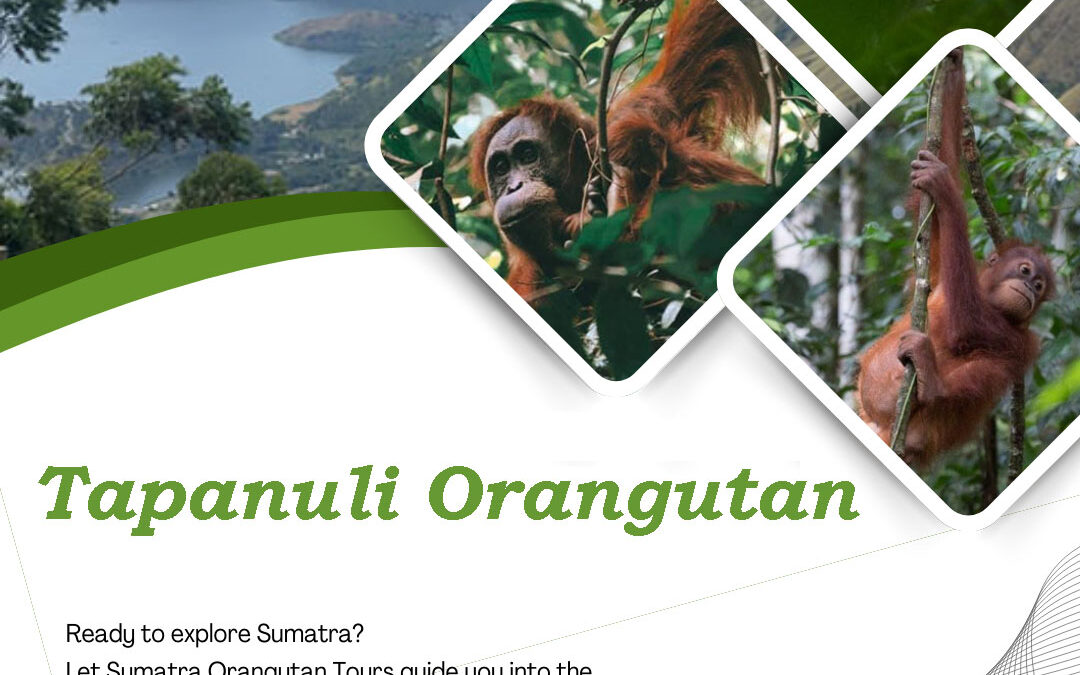
The Tapanuli orangutan (Pongo tapanuliensis) is considered the rarest great ape species on Earth. Found only in a small region of North Sumatra, Indonesia, fewer than 800 individuals are believed to survive in the wild. Recent flooding and landslides in Sumatra have raised concerns among conservationists about the future of this critically endangered species.
As climate change increases the frequency of extreme weather events, fragile orangutan habitats face growing pressure. The Tapanuli orangutan’s already limited range means that natural disasters can have a significant impact on population survival.
What Is the Tapanuli Orangutan?
The Tapanuli orangutan was officially recognized as a distinct species in 2017. It is the newest great ape species identified by scientists and is genetically different from both the Sumatra orangutan and Bornean orangutans.
Unlike the more widely known Sumatran orangutan found in Bukit Lawang and Gunung Leuser National Park, Tapanuli orangutans inhabit the Batang Toru Ecosystem in North Sumatra.
Quick Facts
- Scientific Name: Pongo tapanuliensis
- Population: Less than 800 individuals
- Habitat: Batang Toru Forest, North Sumatra
- Status: Critically Endangered
- Main Threats: Habitat loss, infrastructure development, climate change
How Floods Affect Orangutans
Floods and landslides can devastate tropical rainforest ecosystems by:
Destroying Food Sources
Orangutans depend heavily on fruit-bearing trees. Severe flooding can uproot trees and damage forest vegetation, reducing food availability.
Fragmenting Habitat
When forest corridors are damaged, orangutans become isolated in smaller patches of habitat, making breeding and movement more difficult.
Increasing Human-Wildlife Conflict
Displaced orangutans may move closer to villages or agricultural land in search of food, increasing the risk of conflict with humans.
Climate Change and Conservation Challenges
Scientists increasingly warn that climate change is becoming a major threat to orangutan survival. Rising temperatures, changing rainfall patterns, floods, and droughts can all affect rainforest ecosystems.
Protecting large, connected forest landscapes is essential to help orangutans adapt to environmental changes.
Why Rainforest Protection Matters
Healthy rainforests provide:
- Habitat for orangutans
- Protection against floods and landslides
- Carbon storage to combat climate change
- Water security for local communities
- Biodiversity conservation
The forests of Sumatra are among the most important ecosystems in Southeast Asia and support numerous endangered species, including orangutans, elephants, tigers, and rhinos.
Responsible Tourism Supports Conservation
Ethical ecotourism in places like Bukit Lawang helps create economic incentives for rainforest protection. Visitors who participate in responsible jungle trekking contribute directly to local communities and conservation awareness.
When choosing an orangutan trekking experience, travelers should support operators that prioritize wildlife welfare, avoid feeding orangutans, and follow national park regulations.
The Future of the Tapanuli Orangutan
The future of the Tapanuli orangutan depends on continued conservation efforts, habitat protection, and sustainable development planning. Every remaining individual is important for the survival of this remarkable species.
By protecting Sumatra’s rainforests today, future generations may still have the opportunity to witness one of the world’s rarest great apes in the wild.
FAQ
What is a Tapanuli orangutan?
The Tapanuli orangutan is the world’s rarest great ape species, found only in the Batang Toru Ecosystem of North Sumatra.
How many Tapanuli orangutans are left?
Scientists estimate fewer than 800 individuals remain in the wild.
Why are floods dangerous for orangutans?
Floods can destroy habitat, reduce food sources, and isolate populations.
Where can tourists see orangutans in Sumatra?
The best-known destination is Bukit Lawang, home to wild Sumatran orangutans in Gunung Leuser National Park.
Are Tapanuli orangutans found in Bukit Lawang?
No. Tapanuli orangutans live in Batang Toru, while Bukit Lawang is home to Sumatran orangutans.